
Most of us are accustomed to family and friends gathering around a Christmas Day turkey, with cranberry sauce and mashed potatoes. However, as a child of European parents I also began thinking about what do other cultures do? So, I consulted friends for some answers!
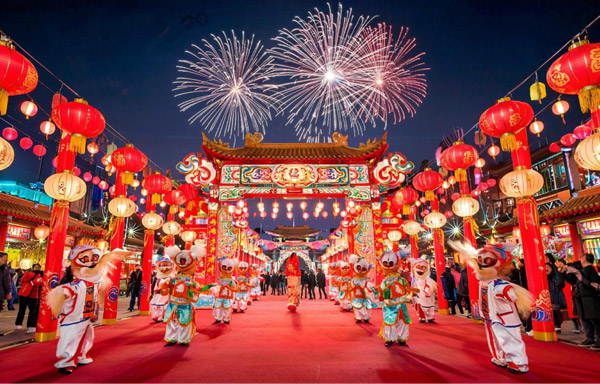
In Central and Northern Europe the main celebration is Christmas Eve. In Germany the tree is decorated for Christmas Eve, after which the doors are opened to the children for gifts brought by the “Christ Child”. A meal of festive food will follow. Christmas Day can be goose and red cabbage. Stollen, a sweet bread with fruit, nuts and often marzipan, is a mainstay as are “platzchen” (cookies). A decorated giftbox with a selection of them is often gifted. Beforehand, The Advent Season is most important with outdoor Christmas markets, “gluhwein” (mulled wine), Advent calendars, and the tradition of lighting a candle on each Sunday until December 24. Families and friends get together to light a candle on the “AdventsKranz” (Advent wreath) enjoying coffee and cookies. Many people go to church in the afternoon of the 24th to start the celebrations.
December 5, before Saint Nicholas Day, children clean and leave their footwear outside the door before sleeping (St. Nicholas is more important than Santa), to be filled with nuts, candy, and small gifts if they were good at waking. If not, they could be visited by a scary sidekick of the Saint instead!
In Poland, like Germany, the tree is decorated on Christmas Eve and presents opened. No food is eaten until the first star appears in the night sky, and the meal features fish and twelve other dishes. An extra place at the table is set to welcome a wandering stranger who should not celebrate alone. The meal is started with the family sharing the “oplatek” wafer (like church communions) and wishing each other the best. Gifts are also opened Christmas Eve after the meal. Mass is attended at midnight and on Christmas morning, after which “Rosol”, a clear chicken soup with delicate noodles, and lots of cakes are enjoyed. Poles also celebrate St. Nicholas Day and he secretly leaves gifts for good children, but naughty children get lumps of coal instead! Advent is important with the making of gingerbread in various shapes and Christmas decorations. Christmas markets are everywhere too.
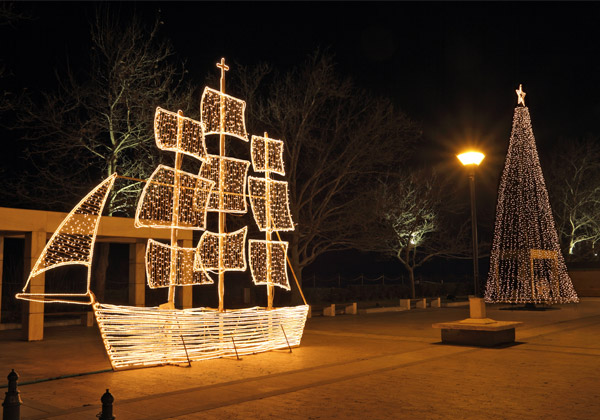
Greek Christmas traditions follow the Gregorian Calendar, so happen a bit later. Christmas Eve, children go carolling and are rewarded with sweets, dried fruits and small change. A week before Christmas baklava and other sweets like honey cookies are made. Miniature boats may be decorated instead of, or as well as, trees. Many go to a midnight church service. A big feast on Christmas Eve breaks the 40-day fast. In Thrace, pork and sauerkraut are served on Christmas Day. Pomegranates are important symbols and decorations, and one will be broken open outside the entry door after midnight on New Year’s Eve. On New Year’s Day, the celebration begins with gifts and a traditional “Vasilopita” cake, which is ceremoniously cut and has a coin hidden in it for good luck, to honour Saint Basil who also brings the gifts.
“Christmas in Jamaica is our favourite time of the year next to Easter” says my friend Elizabeth Allen. “We worship and celebrate with family and friends. We take pride in redecorating our houses and workplaces as we feast and enjoy the traditional observances which date back to the days of our ancestors. The food is plentiful – traditional fare like ackee and saltfish (our National dish) and of course the staple turkey, ham, curried goat, oxtail, rice and peas just to name a few. And Christmas would not be complete without the rum (black) cake, generously doused with wine and Jamaica white rum. Sorrel is the drink of choice. Christmas Grand Market, the Jonkanoo Parade bring us memories of the days of old. This is still enjoyed by young and old alike. No matter your station in life no one is alone in Jamaica at this special time of year.”
In Hong Kong (Hk), Christmas is very festive and joyful. British and Western cultures were big influencers in colonial times. After the Lunar New Year, it is one of the great celebrations. Both Christmas Day and Boxing Day are public holidays, although only about one-eighth of the population is Christian. Christmas decorations and lighting are put up in mid-November. Hong Kong goes all out with lots of illuminations and decorations, all over the city including shopping malls. The office towers get decorated in lights and they become scenes or images. There are lots of family and friends’ celebrations. Families will do a festive dinner together and maybe even a buffet at a hotel, Chinese restaurant or private club. Restaurants have a lot of Christmas menus.
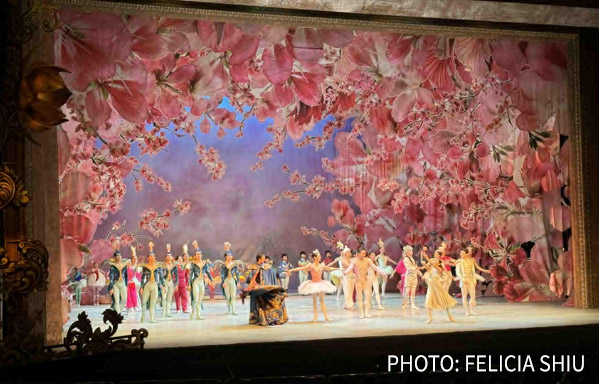
Many people take the opportunity to leave for holidays or to see family, or even do a day trip. There are many concerts or shows including the classic “The Nutcracker”. Some people go to a Church service. Disneyland and Ocean Park, an amusement park, are fully decked out. It is almost impossible to get kids to meet Santa, who is always fully booked. However, on Christmas Day all the shops are open and families may be seen walking the malls or streets to enjoy the decorations. Even fake snow decorated Lee Tung Avenue last year, a new destination for shopping, dining and lifestyle after redevelopment to recall 1950’s streets. Many activities take place including the WestK Christmas Fest, Hong Kong WinterFest, Merry Balloon Hong Kong and the AIA Carnival.
Despite being a small festival in India because only a little over two per cent are Christian, it is colourful and diverse like most Indian celebrations. Goa with its big Roman Catholic population and Portuguese heritage has many western traditions. Generally called “Bada Din” (“the big day”; used by everyone as a warm, festive expression), it symbolizes love, family togetherness, and hope, and many support charitable activities; I remember talking to a call centre advisor telling me how his family was going out that night to distribute gifts to those in need. Local stores, markets and malls have multi-coloured twinkling fairy lights, paper streamers and flowers, and it is also a favourite time of year. Traditional Christmas sweets like plum cakes, kulkuls, nevris, and rose cookies are made by families and are shared with neighbours and friends. Christmas music is everywhere, with carols and cultural performances as well. In large cities which have many Catholics, midnight mass is an integral part to which family members walk. Churches are beautifully decorated with Poinsettia flowers, aromatic candles, and glittering lights. After mass they feast on delicacies and wrapped gifts are exchanged.
So “Christmas tradition” is now a universal phenomenon mixed with global cultures. Christmas trees are, of course, ubiquitous. And most often, the customs mix together – as they do in my household!
WRITTEN BY: DIANA JANOSIK-WRONSKI