
The sun is finally shining, melting away the snow, and like every home gardener, you’re just itching to plunge your fingers deep into the rich soil, inhale that earthy goodness, and check to see how your garden is doing. Trust me! I’m right there with you – but I caution you not to get ahead of yourself! Mother Nature is fickle, and like any self-respecting Lady, she will not be rushed! In the meantime, while you wait to ensure that the threat of frost is truly behind you, why not review this Spring Garden Checklist, provided by LittleTree Garden Market, located on Sideroad 18, at the corner of Hwy 6 North in Fergus, to ensure that you’re truly garden ready! To simplify we’ve divided into Perennial gardens and Vegetable gardens. While there is overlap, it’s notable that a few tasks may pertain to only one.
With your gardens, it’s always essential that you exercise caution and not start too soon. April can be a wet, and sometimes cold month, and the threat of frost, combined with wet soil, can both have adverse effects on your garden. Wait until at least mid April, and then keep in mind that frosts can still appear out of nowhere!
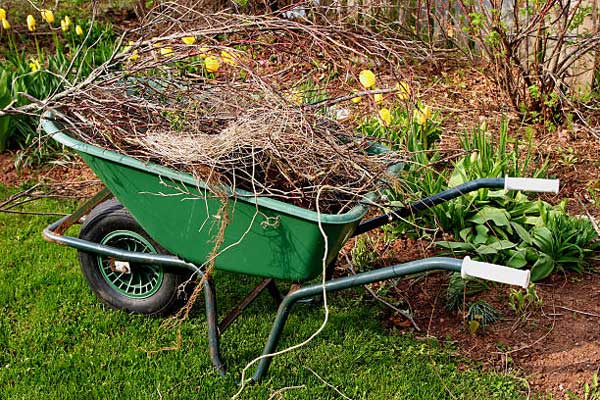
With your perennial border, it is recommended that you start by removing any leaves or other protective coverings that you applied last fall. This allows you to see how well your garden over-wintered, and for those early spring blooming bulbs to have access to the warmth of the sun. Exercise caution in removing any burlap too early, as the more tender shrubs and trees will still be susceptible to frost. You can cut back the dead stems of your perennial plants, but caution should be used when pruning shrubs. Spring flowering shrubs like Forsythia, Rhododendron, and Lilac, set their flower buds the previous fall, so you may inadvertently cut off this year’s blooms! Wait until after they have bloomed, and then prune accordingly.
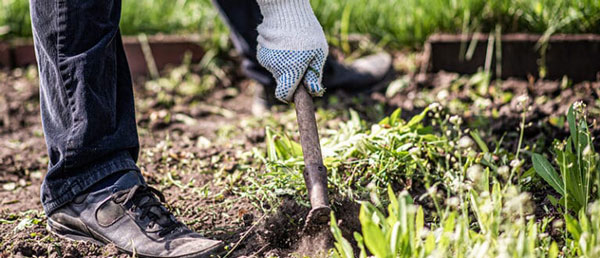
Soil amendment is the next task at hand, and one that cannot be emphasized enough! Your plants are hungry, and each season they pull all their nutrients out of the soil. Use products high in organic compost like Triple Mix, Compost Plus, and BioSol to ensure that your garden gets the best head start on the growing season. How much is enough? LittleTree recommends that you think big: Plant Daddy B applies 8 bags of Compost Plus to his small 12′ x 4′ garden every spring! Once these tasks have been completed, you can view your garden, see what plants might benefit from being divided, and where you still have space to start those wishlists!
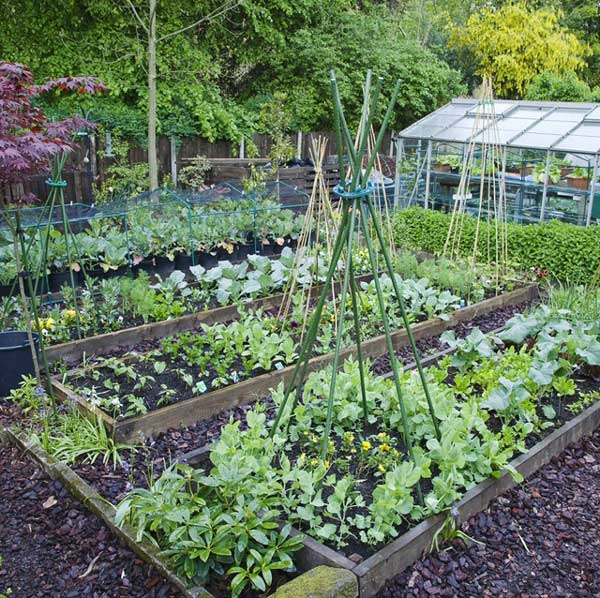
With your vegetable plots, you will likely not have to worry about removing any of the previous year’s growth. An important reminder: rototilling your garden is NOT recommended prior to making new additions. Instead add 1-2” of fresh compost and ‘gently’ work it in with a rake or small shovel. Soil structure is essential to the success of your garden and excessive tilling can remove the naturally occurring air pockets, compacting the wet soil even more. Little Tree also suggests using Gaia Green Kelp Meal and Green Sands. The Kelp Meal adds essential nutrients, whereas the Green Sands helps with overall soil structure, especially in areas where heavy clay is a problem. Gently cultivate these products into your soil before planting.
There are a few veggies that can be added to the garden as soon as it is ready. These include lettuce, radish and peas. Others that are more tender will need to wait until the end of May, if not early June. These include beans, tomato and zucchini. Peppers and tomatoes should be the last plants to be added to the garden. LittleTree suggests that you wait until the second week of June. Both of these plants rely on flowers to set fruit, and they can take a long time to rebloom if their flowers are destroyed by frost.
If you’ve been growing seeds inside, it is essential that you ‘harden off’ young plantlets before exposing them to the ‘fickle’ outdoor temperatures. Here’s how you do this:
Day One: Find a shady spot out of the wind, bring plants out for the day. Bring back inside overnight.
Day Two, Three, Four: Find a spot with more sun, and repeat.
By the fifth day, your plants should be adequately acclimatized. Remember that Mother Nature can throw curveballs, so have protection at the ready just in case.
LittleTree starts filling their houses early, which gives you plenty of time to plan ahead, build a wishlist, and then visit them. Their knowledgeable staff will be able to answer your questions, and if you’re lucky, they’ll introduce you to a new plant that you simply cannot live without!
Visit their social media platforms to stay one step ahead in the gardening game.
Instagram: @littletreegm | Facebook: LittleTree Garden Market
WRITTEN BY: JILLIAN KENT | RESOURCES: LITTLE TREE GARDEN MARKET